Source Car Tire Stone Hook for Cleaning, Removal, and Maintenance
Compare 30 listings for the car tire stone hook designed for cleaning, stone removal, and maintenance tasks. Buyers can review specifications, prices, and supplier details to find the right tool for their needs; compare the available evidence and request quotations based on your requirements.
Key considerations
Products List
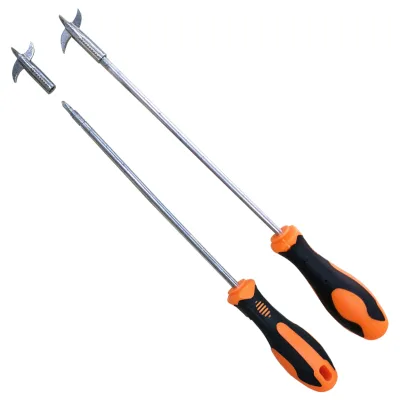
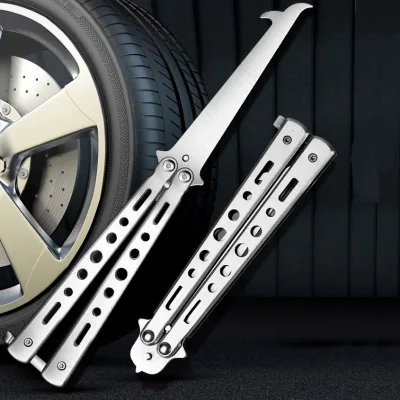


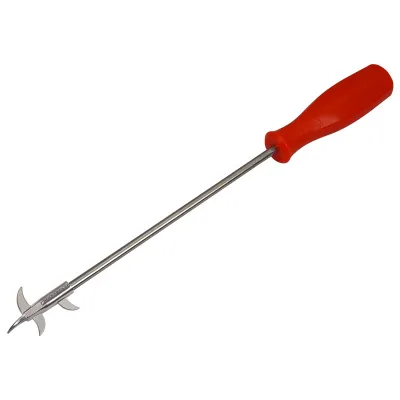
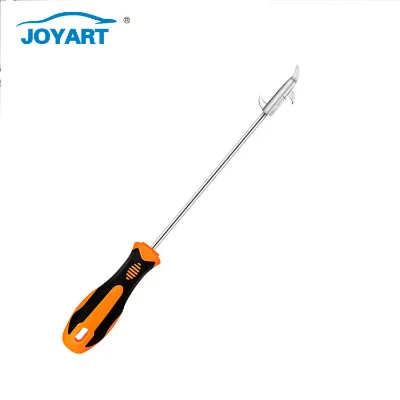


Comprehensive Sourcing Guide
Car Tire Stone Hook Sourcing Guide
Procuring car tire stone hooks requires a disciplined approach to verifying product functionality and supplier reliability. These hand tools are essential for removing embedded stones from tire treads, a common maintenance task for vehicle owners and professional service centers. Buyers must distinguish between simple metal hooks and more complex multi-function tools that may include safety hammers or folding mechanisms. The primary goal is to secure a product that effectively cleans tire grooves without damaging the rubber or the vehicle's wheel rim. Understanding the specific design variations available in the market helps in selecting the right tool for your target customer base, whether they are individual drivers or fleet managers.
The observed market data indicates a diverse range of product configurations, from single-hook designs to alloy-based folding tools. Listings show variations in material composition, including carbon steel with powder coating and general metal alloys. This diversity means that a generic procurement request may yield inconsistent results. Buyers should clearly define their requirements regarding tool shape, material finish, and additional features like safety hammers. By specifying these details upfront, you reduce the risk of receiving products that do not meet your quality standards or customer expectations. This precision in specification is critical for maintaining a consistent product line and ensuring customer satisfaction across different batches.
Product Scope and Observed Listing Signals
The product scope for car tire stone hooks encompasses various designs tailored for different user needs and vehicle types. Observed listings include tools specifically fitted for brands like Toyota and VW, as well as universal fitment options. Some products are marketed as "High Quality Car Tire Stone Cleaner Groove Broken Stone Removers," while others are described as "Folding tyre cleaning hook + Safety Hammer." This variety suggests that the market serves both niche automotive segments and general consumer needs. Buyers should analyze these listing signals to understand the competitive landscape and identify gaps in the market. For instance, the presence of tools with specific car fitments indicates a demand for brand-specific accessories, which can be a differentiator in your product offering.
Listing signals also reveal important details about packaging and unit sales. Products are often sold as single items or in sets, with some listings indicating quantities like 12 pieces per pack. Packaging options include felt bags and standard boxes, with single package sizes ranging from 32x3x4 cm to 35x5x5 cm. These details are crucial for logistics planning and cost estimation. The gross weight of individual units typically falls between 0.100 kg and 0.200 kg, which affects shipping costs and storage requirements. By paying attention to these logistical signals, buyers can optimize their supply chain and ensure that the products arrive in a condition that is ready for retail display. This attention to detail in the product scope helps in creating a comprehensive procurement strategy.
Technical Specifications to Verify
Verifying technical specifications is a critical step in ensuring that the car tire stone hook meets functional requirements. Key specifications to check include the material composition, such as carbon steel with powder coating or alloy, which affects durability and corrosion resistance. The shape of the hook, whether it is a single hook or a multi-pronged design, impacts its effectiveness in removing stones from different tread patterns. Buyers should also verify the dimensions of the tool, as observed sizes range from 9.52.822cm to 171336.5cm. These dimensions must be compatible with the tire grooves of the target vehicles. Ensuring that the tool fits properly prevents damage to the tire and ensures efficient cleaning.
In addition to physical dimensions, buyers should verify the model numbers and any associated standards. Listings include model numbers such as A001, 12267, HW035, and HW025, which can help in tracking specific product variants. Some products have specified standards, such as 10.510.5cm or 1414.5cm, which may refer to the size of the tool head or the packaging. It is important to clarify with the supplier what these standards represent and how they relate to the tool's performance. By verifying these technical details, buyers can ensure that the products they procure are consistent and meet the expected quality levels. This verification process helps in avoiding discrepancies between the product description and the actual item received.
Compliance and Safety Documentation
Compliance and safety documentation are essential for ensuring that car tire stone hooks meet regulatory requirements and safety standards. Although specific certifications are not listed in the provided data, buyers should request documentation that verifies the material safety and manufacturing processes. For example, if the tool is made from carbon steel with powder coating, the buyer should ensure that the coating is free from harmful substances and complies with relevant environmental regulations. This is particularly important for products sold in markets with strict environmental laws. Requesting material safety data sheets (MSDS) or similar documents can provide assurance that the product is safe for end-users and complies with local regulations.
Safety documentation should also include information on the tool's intended use and any warnings or precautions. For instance, if the tool includes a safety hammer, the documentation should specify how to use it safely and any potential hazards. Buyers should ensure that the supplier provides clear instructions for use and any necessary safety labels. This not only protects the end-user but also reduces the risk of liability for the buyer. By prioritizing compliance and safety documentation, buyers can build trust with their customers and ensure that their products are market-ready. This focus on safety is a key aspect of responsible procurement and helps in maintaining a positive brand reputation.
Cost Drivers and Commercial Terms
Understanding cost drivers is crucial for effective budgeting and negotiation in the procurement of car tire stone hooks. The observed price range in USD is 0.3 to 20, which indicates a wide variation based on product complexity, material quality, and packaging. Simpler single-hook tools are likely to be at the lower end of this range, while multi-function tools with safety hammers or premium finishes may be more expensive. Buyers should analyze the cost structure to identify which factors contribute most to the price. For example, the use of alloy materials or specialized coatings may increase the cost but also enhance the product's durability and appeal. By understanding these cost drivers, buyers can make informed decisions about which features are worth the additional investment.
Commercial terms, such as minimum order quantities (MOQ) and lead times, also play a significant role in procurement planning. The observed MOQ range is 1 to 3000 units, which allows for flexibility in ordering based on demand. However, larger orders may come with better pricing, so buyers should evaluate the trade-off between unit cost and inventory holding costs. Lead times are also important, with one listing indicating a delivery time of 40-60 days after receiving a 30% deposit. This lead time should be factored into the procurement schedule to ensure timely delivery. By negotiating favorable commercial terms and understanding the cost drivers, buyers can optimize their procurement process and achieve better value for money.
Supplier Qualification and Quality Control
Supplier qualification is a critical aspect of ensuring the reliability and quality of car tire stone hooks. Buyers should verify the supplier's location and manufacturing capabilities. Observed places of origin include Hebei, Zhejiang, and Chongqing, China, which are known for their manufacturing industries. While these locations are common for such products, buyers should still assess the supplier's specific capabilities, such as their production capacity and quality control processes. Requesting samples and conducting factory audits can provide insights into the supplier's ability to meet quality standards. This due diligence helps in building a long-term partnership with a reliable supplier who can consistently deliver high-quality products.
Quality control measures should be established to ensure that the products meet the specified requirements. This includes inspecting the material, dimensions, and finish of the tools. Buyers should define clear acceptance criteria and work with the supplier to implement these checks at various stages of production. For example, verifying that the powder coating is uniform and free from defects can prevent issues with corrosion and appearance. By implementing robust quality control processes, buyers can reduce the risk of receiving defective products and maintain a high level of customer satisfaction. This focus on quality control is essential for building a reputable brand and ensuring long-term success in the market.
Long-Term Procurement Checks
Long-term procurement checks are essential for maintaining a stable and efficient supply chain for car tire stone hooks. Buyers should regularly review the supplier's performance, including on-time delivery, quality consistency, and responsiveness to issues. Establishing key performance indicators (KPIs) can help in tracking these metrics and identifying areas for improvement. For example, monitoring the defect rate and lead time adherence can provide insights into the supplier's reliability. By conducting regular reviews, buyers can ensure that the supplier continues to meet the required standards and make adjustments as needed. This proactive approach helps in maintaining a strong partnership and ensuring a steady supply of high-quality products.
Additionally, buyers should stay informed about market trends and technological advancements in tire cleaning tools. This can help in identifying new opportunities for product innovation and differentiation. For instance, the development of new materials or designs may offer improved functionality or cost savings. By staying ahead of the curve, buyers can ensure that their product offerings remain competitive and relevant. Long-term procurement checks also involve reviewing commercial terms and negotiating better deals as the relationship with the supplier matures. This ongoing evaluation and adaptation are key to achieving sustainable growth and success in the procurement of car tire stone hooks.
FAQs
What materials are used for car tire stone hooks?
Car tire stone hooks are typically constructed from alloy or metal materials to ensure durability during use. Some specific models feature carbon steel with powder coating for enhanced resistance against wear and corrosion. These materials support the tool's function as a hand tool for removing stones from tire grooves effectively.
Which car brands fit these tire cleaning hooks?
These tire cleaning hooks are designed to fit various vehicle brands including Toyota, Volkswagen, and Abarth. Some models are labeled as universal fitment to accommodate a broader range of vehicles. Buyers should verify specific compatibility with their vehicle model before purchasing to ensure proper usage.
How long is the warranty period for these tools?
The warranty period for these car tire stone hooks varies by product, typically ranging from one month to three months. Specific listings indicate a one-month warranty for certain models and a three-month warranty for others. Buyers should check the specific product details to confirm the exact warranty duration applicable to their purchase.
Can I customize the specifications of these hooks?
Yes, customization is available for certain car tire stone hook models to meet specific buyer requirements. Suppliers offer options to tailor the product according to unique needs while maintaining the core functionality of the tool. This flexibility allows for adjustments in design or features without compromising the tool's effectiveness.
What is the typical lead time for delivery?
The delivery time for these tools is generally 40 to 60 days after receiving a 30% deposit. This lead time applies to orders where customization or specific production runs are required. Buyers should plan their procurement schedule accordingly to account for this manufacturing and shipping duration.
How much does a single unit weigh?
A single unit of the car tire stone hook typically weighs between 100 grams and 160 grams depending on the specific model. Some listings specify a net weight of 135 grams while others indicate a gross weight of 160 grams. This lightweight design ensures the tool remains portable and easy to handle during tire maintenance tasks.
What is the minimum order quantity for these hooks?
The minimum order quantity for these car tire stone hooks ranges from one unit up to 3000 units depending on the supplier. Some listings allow for single item purchases while others may require bulk orders for specific pricing tiers. Buyers can select the quantity that best fits their immediate needs or inventory requirements.